The NHS is one of the most generous healthcare systems in the world, but it is not always the most intuitive. For families who grew up in countries with different models of healthcare — where you pay per appointment, where specialists are contacted directly, where a pharmacist may be your first port of call for most ailments — the structure of the NHS can feel confusing. This guide is for you.
Registering with a GP
Your first step is to register with a local GP practice. In Scotland, you do not need a visa, a National Insurance number, or proof of address to register — you are entitled to NHS care regardless of your immigration status. Simply visit a practice near your home and ask to register. You may be asked to fill in a short form with your name, date of birth, and address. You do not have to register at the practice nearest to your home, though most practices do have a catchment area, so it is worth calling ahead. In Bearsden and the surrounding area of East Dunbartonshire, we can help you identify which practices are accepting new patients.
When to call NHS 24
If you have an urgent health concern outside of GP opening hours — evenings, weekends, and public holidays — call NHS 24 on 111. This is a free service staffed by nurses and clinical advisors who can assess your symptoms over the phone and advise on the right next step: whether that is home care advice, a call from a GP, an out-of-hours appointment, or in serious cases, direction to an emergency department. Do not feel that you are bothering anyone by calling. That is what the service is for.
Understanding prescriptions
In Scotland, prescription charges were abolished in 2011, meaning that all medicines prescribed by a GP or hospital doctor are free of charge at the pharmacy. You simply hand in your prescription form — either a paper slip or, increasingly, an electronic record sent directly to your preferred pharmacy — and collect your medication. Pharmacists are highly trained clinicians and an often-underused resource: you can walk into any pharmacy without an appointment to ask about symptoms, medication interactions, or minor ailments.
Attending hospital appointments
If your GP refers you to a hospital specialist, you will receive a letter with the date, time, location, and department. If you need a translator for your appointment, you are entitled to request one — contact the hospital's patient services team as soon as you receive your letter. Bring any medication you currently take, either the boxes themselves or a written list. You are allowed to bring a family member or friend for support. Do not be afraid to ask the specialist to repeat something, slow down, or explain a word you did not understand.
Your rights as a patient
You have the right to a second opinion. You have the right to see your medical records. You have the right to be treated with dignity and without discrimination. If you feel that you have not been listened to, or that a decision has been made without adequate explanation, you can speak to the practice manager at your GP surgery, or contact Patient Advice and Support Scotland (PASS), which is an independent service that can help you understand your options.
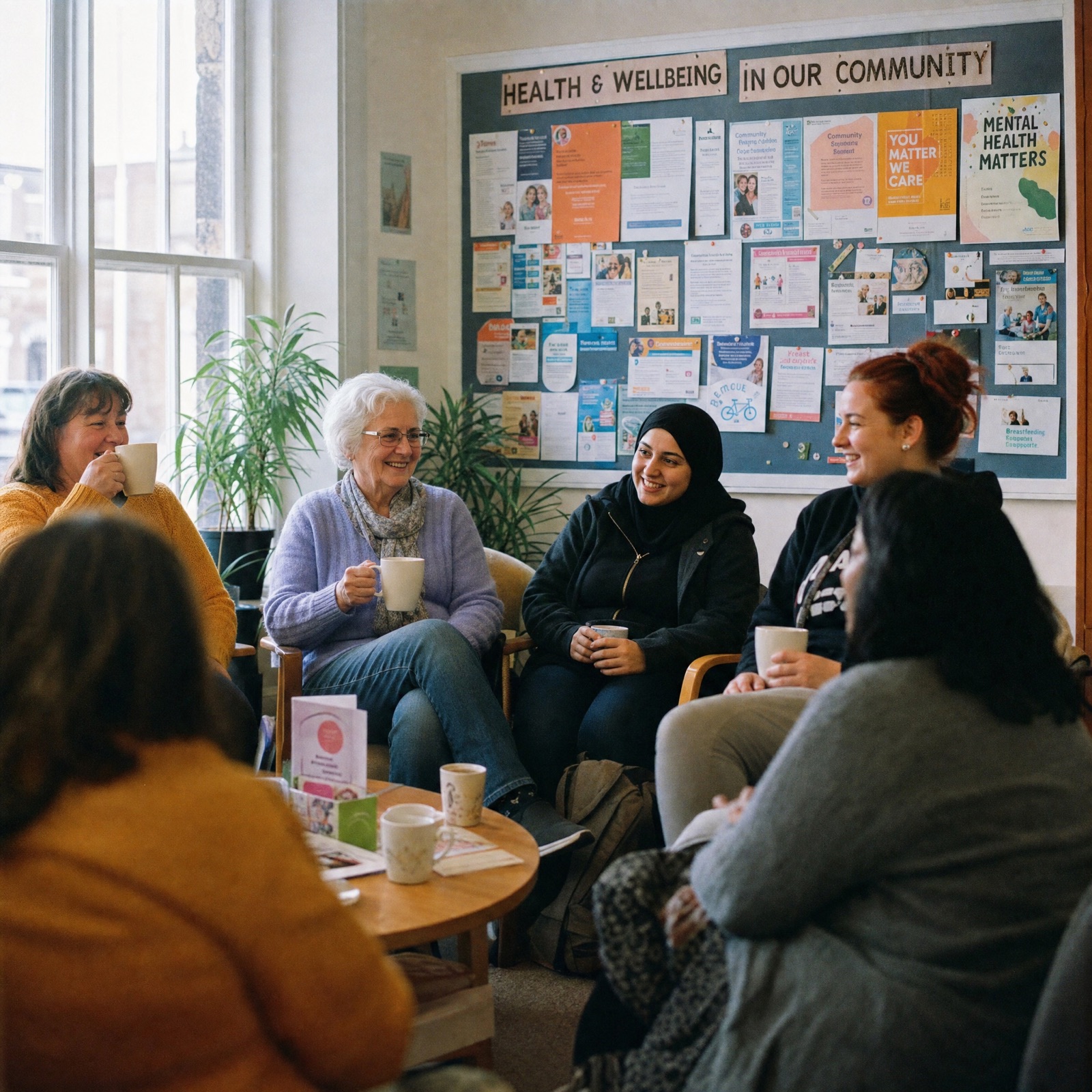
At Vibrant Health Advocates - Ascent, we run regular drop-in sessions where you can ask questions about any of the above in a relaxed setting and in your preferred language. Health literacy is not a privilege — it is a right, and we are here to make sure every family in Bearsden can exercise it.